

You might wonder, what does RTP mean? In terms of game descriptions and casino t&c’s, RTP means Return to Player. It’s a key metric showing how much of the money bet will be paid back to players over time.
This guide aims to clarify RTP. We’ll tell you how to find RTP for slots and how it aids in managing your funds.
RTP stands for Return to Player. It’s the percentage of bets that games return to players after many spins. This is a theory, not a guarantee for every game session.
The idea of Return to Player is easy to understand. Companies like NetEnt and Microgaming decide RTP during the game’s creation. This figure is often a percentage, like 96%, but sometimes it’s in decimals.
RTP shows how a game behaves over time. It’s not about predicting wins or losses in the short run. When playing RTP slots, remember this number comes from millions of trials.
RTP gives us an idea of expected loss over time. Generally, a higher RTP means the casino’s advantage is lower. This is because the house edge is 100% minus the RTP. So, RTP is key for players looking for the best value in slots.
But it isn’t everything. Things like game volatility, how long you play, and your bet size play a bigger role short term.
Casinos share RTP in a few places. You might see it in a game’s paytable, on developer websites, or casino help pages. Testing agencies’ audited reports might also show these numbers.
Be cautious of sites that aren’t clear about their Return to Player, and always check for proper documentation.
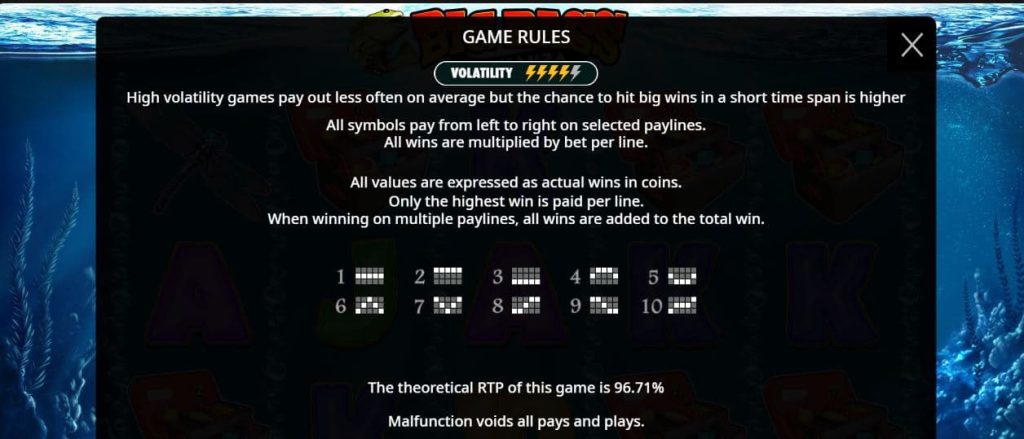
Let’s look at real examples of RTP to understand it better. If a slot’s RTP is 96%, it means players might lose £4 for every £100 they bet over time. Games usually offer an RTP between 92% and 98%, but some physical casino slots might have lower rates.
Imagine a slot machine scenario to simplify RTP calculation. If small wins give £1 90% of the time, medium wins £10 9% of the time, and a huge jackpot of £1,000 1% of the time, the average outcome is £11.80 per spin. If you’re betting £12 each time, the game’s RTP works out to roughly 98.3%.
It’s crucial to understand the difference between theoretical RTP and what happens in the short term. RTP is averaged over millions of spins. A few plays can end up quite differently due to luck. Large wins or losses in short sessions don’t mean the RTP is wrong; they show the effects of chance on smaller attempts. When choosing slots, consider RTP and how often games pay out, known as volatility. High volatility slots offer big wins but less often, while low volatility ones provide smaller wins more frequently. Knowing both RTP and a game’s volatility helps us choose slots that match how we like to play.
Let’s start by looking for reliable RTP info. This helps us pick the best games for how we like to play. Here are practical steps to find that RTP info and choose between different game types.
Look at a game’s paytable or info panel. Games from big names like NetEnt, Microgaming, and Playtech usually list the RTP right in the game’s menu.
If you can’t see the RTP there, check out the game developer’s website. Often, they share technical details and the expected return to player percentage for their slots.
Another spot is the casino’s help, fairness, or terms sections. UK casinos under the Gambling Commission often share RTP reports or can tell you the game’s RTP if you ask support.
We gather RTPs and game specs, making it easy to compare without having to guess.
Different slots like classic, video, and progressive can be compared by their RTP. Classic slots, which usually have three reels, tend to offer moderate RTPs and straightforward play.
Video slots, made by developers like NetEnt and Play’n GO, often provide higher RTP and more features. They aim to balance fun with a good return to player percentage for gamers.
Progressives usually have a lower RTP because part of each bet adds to the jackpot pool. They offer the chance at massive prizes at the expense of some return.
When comparing slots, consider their variance too. Progressives might pay less often but offer big wins. High RTP video slots might pay more regularly but in smaller amounts.
Use sites that let you filter games by RTP. This way, you can focus on games with good returns that still interest you.
Playing a slot in demo mode first lets you try its features. You can see if it’s as fun as its RTP suggests without risking your cash.
Choose games from well-known developers who are open about their specs. We rely on companies like Microgaming, NetEnt, and Pragmatic Play for accurate RTP information.
Think about RTP along with volatility and what you want from a game. For steady wins, go for high RTP and low to medium variance. For the thrill of big wins, choose lower RTP, high variance, or progressive slots.
Quick checklist
Let’s explore what shapes the return to player and how it influences our results. The RTP tells us what we might get back in the long run. Yet, several factors can change what happens when we play.
Volatility, or variance, shows how wins come and their sizes. It’s linked to RTP but doesn’t change the overall return rate. Rather, it affects how wins are spread out. Games with high volatility offer wins less often but give out bigger prizes. These can take longer to match the theoretical RTP. Games with low volatility provide smaller wins more frequently. This makes it feel like we’re getting closer to the RTP quickly. Game mechanics like bonus rounds and free spins are factored into a game’s RTP. We call it game features effective RTP. If bonuses happen often, the effective RTP goes up. If they’re rare, the effective RTP can drop. Options like buy-bonus and in-game specials can alter what we expect to win on each spin. Progressive jackpots lower the base return by taking a bit of each bet for the jackpot. We should look at game rules to understand how features impact the RTP.
RTP percentages usually don’t change with bet size. But, certain prizes or features only come with higher bets. Betting less means missing out on these opportunities, affecting our returns. The number of paylines we choose affects our bet and chances to win. More paylines mean a higher bet and possibly more wins. Slots might auto-adjust our bet per payline, changing immediate results but not affecting the RTP overall.
We suggest looking at the paytable for bonus and jackpot triggers. This helps us pick bets and paylines that fit what we want. Understanding how volatility and RTP work together lets us set realistic hopes and manage our risk better.
| Factor | How it works | Effect on player returns |
| Volatility/Variance | Frequency and size of wins; high or low variance | Alters win distribution; high variance increases swings away from RTP short term |
| Bonus features & free spins | Included in game math; trigger frequency varies | Can raise or lower effective RTP depending on trigger rates |
| Progressive jackpots | Portion of each bet funds the jackpot | Reduces base RTP but adds potential large payoff |
| Buy‑bonus/promotions | Option to purchase feature or receive site offers | Changes expected return per spin compared with published RTP |
| Bet size and stake‑gated features | Certain jackpots or multipliers need minimum stake levels | Bet size impact RTP where lower stakes block reward paths |
| Payline choices | Number of active lines alters total bet and hit chances | Affects short‑term outcomes and variance though long-term RTP remains a percentage |
We explore how regulators and labs ensure games are fair. Players can check these claims themselves. Having clear RTP transparency helps build trust. It’s important for operators to make audited evidence easy to find. Regulators enforce rules to protect consumers.
The UK Gambling Commission sets fairness standards. It requires licence holders to report on compliance. Other regulators like the Malta Gaming Authority follow suit, making RTP regulation key for integrity.
Independent agencies check the technical side of things. eCOGRA, iTech Labs, and GLI are some examples. They check the randomness of games, audit the RTP, and confirm if the percentages claimed are true. Operators showing these tests prove they meet standards.
Start with the operator’s help pages or the website’s footer. That’s where links to audit certificates often are. Game developers also share RTP figures and lab reports on their websites.
Look at the casino’s regulatory section for compliance and licence details. Third-party review sites and forums list RTPs too. Yet, it’s wise to check these against official reports or developer info for accuracy.
UK players should check the UKGC licence status for trust signals. If a site mentions an audit, verify it with the issuing lab to be sure.
Be cautious with casinos that won’t share RTPs or have inconsistent data. Sparse ranges without proof are a red flag. And, watch for sites showcasing unlikely high RTPs without developer backup.
New or unregulated sites lacking audits are risky. If a game’s RTP seems adjustable based on location, there should be an explanation and audit provided for clarity.
If the RTP details aren’t clear, ask customer support. Avoid sites that can’t provide third-party audited RTP reports or clear regulatory details.

RTP strategy is a key tool in planning our play and bets. It shows us how much we might lose over time for each spin. By calculating expected loss as stake times (1 minus RTP), we can set sensible budgets and loss limits. We can use this for planning our entire play session. Let’s say we plan 500 spins at £0.10 each on a 96% RTP slot. The expected loss works out to £2.00. This helps us keep our session limits realistic and avoid unexpected losses.
Planning our play time in advance helps too. We decide how long to play and use RTP to set loss limits. Having a set session limit helps keep our spending steady and avoids frustration from losing streaks. Combining RTP with volatility shapes our expectations. A high RTP game with high volatility might go a while without big wins. Games with low RTP and low volatility usually offer smaller, more frequent wins. It’s vital to pick a volatility that suits our budget just as much as a good RTP.
We adjust for risk based on our budget. With a smaller bankroll, we stick to games with lower volatility, even if the RTP is slightly lower. When we can handle bigger ups and downs, high volatility games become attractive. We use RTP-based staking plans to manage our betting.
When choosing how much to bet, we follow straightforward rules. For high-volatility games, we bet 1–2% of our bankroll per spin. With low-volatility games, we might go up to 2–5% but still stay careful. We also try games in demo mode to check how often they pay out.
We set clear rules for stopping play and taking profits. Stop if we lose a certain percentage of our bankroll or cash out after winning a set amount. These rules help us keep our money safe and secure our winnings.
Our RTP strategy is kept simple and easy to follow. By combining a clear plan with RTP and understanding volatility, we increase our chances of playing wisely and having fun.
Many believe quick facts about slots that mix up players. Myths about return to player (RTP) set false hopes. We aim to correct these rtp slot misunderstandings with clear facts, helping you choose wisely.
RTP reflects a long-term average from countless spins. A machine with a 98% RTP might still lose over many tries. In contrast, a 90% RTP slot might yield a big payout quickly.
We should see RTP as an average, rather than a guarantee. Due to variance, short-term wins can really vary. This makes even high RTP games unpredictable in the short term.
The myth about “hot” and “cold” machines is based on a misunderstanding. Certified slots run on a random number generator. This means each spin is totally independent from the last.
What seems like patterns are actually random. They don’t mean a machine is “hot” or “cold.” It’s best to trust the game rules and the RNG’s certification instead of looking for patterns.
RTP gives us the percentage of bets returned over time. Payout frequency tells us how often a game awards wins. These two are different things.
A game might have a high RTP but low hit rate, leading to less frequent, but larger wins. Or, it might offer many small wins but have a lower RTP. It’s wise to consider both RTP and the game’s volatility, aligning it with how you like to play.
| Concept | What it means | Player takeaway |
| RTP | Long-term percentage of money returned to players | Use as a broad guide for expected returns across many spins |
| Hit rate (payout frequency) | How often the game awards any winning combination | Choose based on whether we prefer frequent small wins or rare big wins |
| Volatility/variance | Measure of win size variability and risk | Combine with RTP to plan session length and stake size |
| Hot and cold machines myth | False belief that machines change state based on recent results | Trust RNG certification; ignore streak-based myths |
| Short-term outcomes | Random deviations from the long-term average | Expect swings; manage bankroll accordingly |
We’ve explained RTP, or Return to Player. It’s a measure showing how much a game will pay back to players over time. RTP is about the long run, not single games. So, a high RTP rate doesn’t promise instant wins but helps us choose games wisely.
Follow our advice to make better choices at online casinos. With the tips from our rtp slot guide and this RTP advice, you can set realistic expectations. This way, you can safeguard your money and have a more enjoyable gaming experience.
RTP stands for Return to Player. It shows the percentage of all bets that will be paid back to players over time.
Game creators like NetEnt and Microgaming decide on a game’s RTP when they are developing it. Casinos then show this RTP in various places: on the game’s paytable, in the game lobby, or in their fairness sections.
RTP is found by dividing the total paid out to players by the total bet, then multiplying by 100. This involves every possible game outcome’s probability. A certified random number generator makes sure each spin matches these probabilities, ensuring the RTP is accurate over time.
The RTP is an average taken from a large number of spins. Short-term results can greatly vary because of volatility. Higher volatility games have bigger ups and downs, and it might take a lot of spins to get near the RTP. With more spins, the observed outcomes get closer to the RTP.
You can find a game’s RTP by looking at its paytable, visiting the developer’s site, checking the casino’s help pages, or looking at audit reports from groups like eCOGRA. Some sites list RTPs, but always double-check with the official sources, especially in the UK where regulations apply.